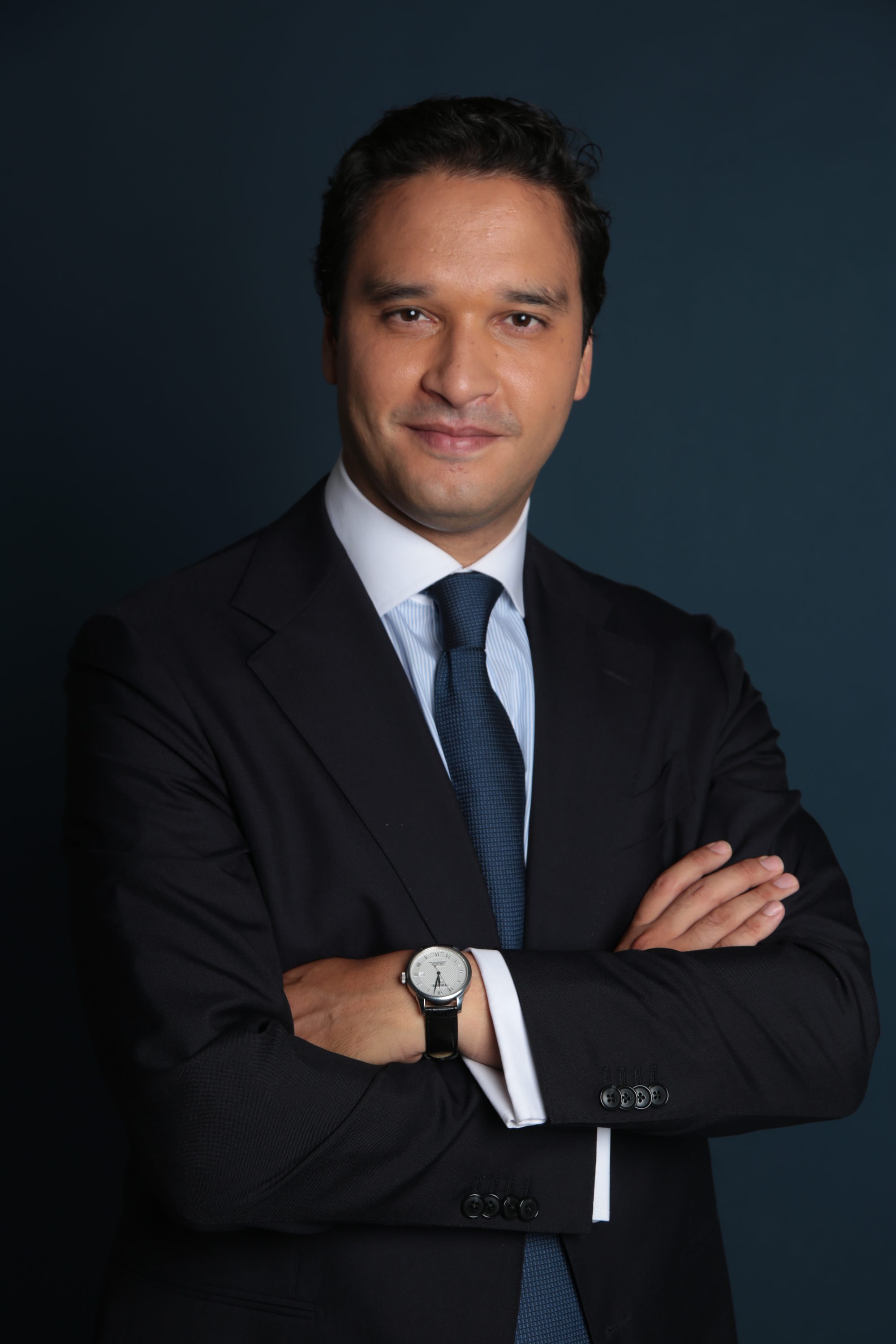
Maître Nourdine El Halfi
Maître Nourdine El Halfi, a member of the Paris Bar, has built his practice around matters where legal risk is particularly high: white-collar crime, tax litigation and governance disputes — areas that call for a lawyer with a firm grasp of both the legal framework and the economic environment in which those risks arise.
A dual background: law and finance
Before joining the Bar, Maître Nourdine El Halfi spent fifteen years working in banking, finance and compliance. That background is particularly relevant when an executive's personal liability intersects with corporate governance, financial documentation, internal controls or regulatory oversight.
Court representation across France
Maître Nourdine El Halfi has built a sustained litigation practice — drafting submissions, developing procedural strategy, and arguing cases before the courts. He appears before criminal courts throughout France, which demands meticulous preparation, an intimate knowledge of the file, and a clear, consistent position throughout proceedings.
Education & qualifications
A graduate of HEC Paris with a Master's degree in white-collar criminal law, Maître Nourdine El Halfi was called to the Paris Bar following completion of the professional training programme at the École de Formation du Barreau (EFB), the Paris Court of Appeal bar school. This cross-disciplinary training underpins a practice where economic and criminal issues are tackled together, with rigour.
Languages
Maître Nourdine El Halfi is fully fluent in English, having lived and worked in the United States and the United Kingdom for several years.
Typical matters
Maître Nourdine El Halfi typically handles matters where the stakes are significant, timelines are pressing, and a structured, strategic approach is required:
- Criminal proceedings against an executive or officer in a corporate or financial context
- Matters with a financial, evidentiary or reputational dimension
- Commercial disputes: shareholder conflicts, unfair competition, high-value debt recovery, injunctions and evidence preservation
- Tax investigations and tax litigation, including their interface with criminal exposure and corporate governance
How Maître Nourdine El Halfi works
Maître Nourdine El Halfi operates with a structured, client-facing process:
- Initial assessment — stakes, urgency, timeline, objectives
- Analysis — structured review of the file, chronology, strengths and vulnerabilities
- Strategy — options, priorities, action plan
- Execution — submissions, hearings, negotiation where appropriate
- Ongoing review — progress updates, key decisions, course corrections
Publications
Maître Nourdine El Halfi publishes regularly on criminal procedure, regulatory risk and complex litigation. A number of his articles have attracted several thousand readers.